Future of Potato Cold Storage Warehouses in India: Trends, Opportunities & Growth Outlook
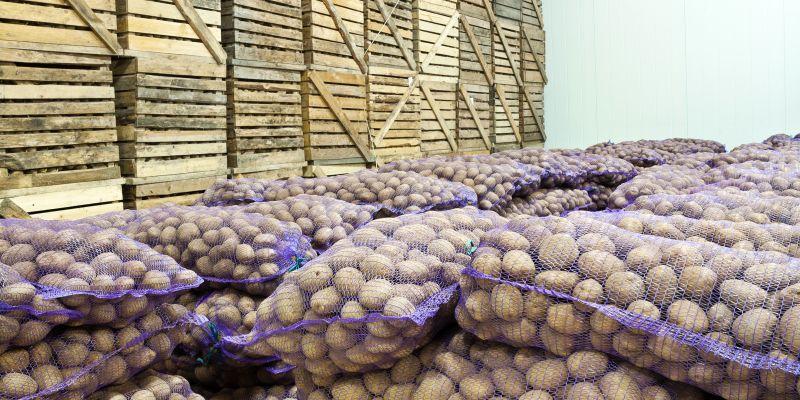
India’s agricultural supply chain is undergoing a transformative shift, and at the heart of that evolution are potato cold storage warehouses.
As one of the country’s most important staple crops, potato production in India is massive yet without proper storage, annual losses remain high due to spoilage, price volatility, and infrastructure gaps.
The future of potato cold storage in India is being shaped by technological innovation, government support, market demand, and sustainable practices that can turn this critical segment into a highly profitable and resilient business.
In this detailed analysis, we explore the growth drivers, challenges, cost dynamics including potato cold storage project cost and potato cold storage cost, recommended potato cold storage temperature practices, and what the future holds especially for strategically important regions like potato cold storage in Gujarat.
Why Potato Cold Storage Is Critical for India’s Food Security
India produces an estimated 20–25 million tons of potatoes annually, making the crop a dietary staple and a commercial commodity with extensive demand across urban and rural markets. Yet seasonal production peaks pose significant challenges:
Price crashes during harvest
High post-harvest losses due to spoilage
Limited market access for farmers
A robust potato cold storage network ensures that excess produce is safely stored, price stabilization occurs, and supply chain continuity is maintained throughout the year.
Moreover, as India’s aging cold storage infrastructure upgrades with modern technology, the future is bright for growth, efficiency, and reduced food losses.
The Growth Outlook: Demand Meets Infrastructure Expansion
Rising Consumption and Market Demand
With rapid urbanization, changing dietary preferences, and growth in processed food industries, potato consumption in India is rising.
Potatoes are key ingredients in snacks, frozen foods, packaged products, and ready-to-cook meals which further increases reliance on year-round storage.
This demand surge is driving heightened interest in multi commodity potato cold storage warehouses especially modern, temperature-controlled facilities.
Government Support and Policy Incentives
The Indian government has recognized cold storage as a priority sector under agriculture infrastructure schemes and offers subsidies, low-interest financing, and other incentives.
These initiatives reduce investment risk and improve the viability of potato cold storage projects by lowering upfront capital requirements.
These policy incentives, combined with rising demand, make the prospect of cold storage investment more attractive.
Understanding Potato Cold Storage Project Cost
One of the most important aspects of planning a cold storage facility is understanding potato cold storage project cost and the recurring potato cold storage cost. Several factors influence total investment:
🔹 Land and Construction
Cost of land in agri-market hubs
Civil construction with high-quality insulation
Refrigeration room design and layout
🔹 Refrigeration System
High-performance cooling units are key for maintaining the right potato cold storage temperature, given that potatoes are sensitive to temperature fluctuations.
🔹 Power & Utilities
Electricity costs and backup power systems form a significant portion of operating expenses.
🔹 Technology & Monitoring
Modern cold storages integrate smart sensors and automation systems to manage temperature, humidity, and power optimization.
Note: The potato cold storage project cost varies by capacity (measured in metric tons), location, technology level, and compliance requirements.
Small-scale facilities might cost less, while larger multi-commodity integrated warehouses involve higher capital but deliver better returns due to diversified operations.
Best Practices for Potato Cold Storage Temperature
Maintaining appropriate temperature conditions is critical because potatoes are a sensitive crop and improper storage can lead to sprouting, rot, or weight loss.
Ideal Potato Cold Storage Temperature
The typical recommended potato cold storage temperature range is 2–8°C (36–46°F).
Humidity levels should be high enough to prevent dehydration but not so high as to cause condensation.
Temperature uniformity prevents heat pockets that lead to spoilage.
Smart monitoring, automated controls, and regular inspection routines help facilities maintain consistent cold storage conditions without energy waste.
Current Trends Shaping the Future of Cold Storage in India
1. Technology & Automation
From AI-based climate control to IoT sensors and predictive analytics, advanced technologies are transforming how cold storages operate:
Real-time monitoring of potato cold storage temperature
Automated alerts for temperature deviations
Energy optimization through machine learning
Facilities that adopt modern controls not only reduce spoilage but also dramatically cut operational costs.
2. Sustainable & Renewable Energy Integration
Energy costs remain one of the biggest recurring expenses in cold storage operations. The integration of solar power and energy-efficient systems helps reduce electricity dependence and operating costs, which in turn improves profit margins for operators.
Sustainability is not just good for the planet it’s also a strong business differentiator.
3. Multi-Use and Value-Added Services
While traditional cold storages focused only on potato storage, future facilities are evolving into distribution hubs offering:
Ripening chambers
Multi-commodity cold storage services
Packaging and quality inspection
Logistics coordination with refrigerated transport
This reflects a shift toward integrated cold chains, increasing revenue opportunities and asset utilization.
4. Data-Driven Decision Making
Data analytics helps predict demand patterns, fine-tune pricing strategies, and optimize capacity. Operators who adopt analytical tools can better manage inventory, reduce wastage, and enhance earnings.
Regional Focus: Potato Cold Storage in Gujarat
Gujarat represents a significant opportunity for potato cold storage in India due to its strong agricultural economy, progressive infrastructure, and proximity to key markets.
Why Gujarat Is Emerging as a Hub
High production districts needing storage support
Strong logistical connectivity
Access to ports for export-oriented storage services
Supportive state policies for cold chain development
Investors looking at potato cold storage in Gujarat can benefit from both domestic demand and export opportunities, especially for processed potato products and seasonal surpluses.
Challenges That Still Need Solutions
Despite strong growth prospects, some challenges remain:
Infrastructure Gaps
Certain regions still lack adequate cold storage capacity, particularly near production clusters, leading to seasonal price crashes and wastage.
High Power Costs
Electricity remains a major potato cold storage cost, especially in areas without reliable grids or solar infrastructure.
Capital Intensity
The upfront investment can be substantial, underlining the importance of careful planning and leveraging government incentives.
Investment Outlook: Why the Future Looks Bright
Here’s why experts believe the future of potato cold storage warehouses in India is poised for robust growth:
✔ Growing Domestic and Export Demand
Potatoes are becoming staples for processed food manufacturers, export processors, and retail chains.
✔ Technology Lowering Operating Cost
Modern temperature controls reduce spoilage and create stable environments for long-term storage.
✔ Policy Support
Infrastructure schemes and financial incentives are lowering barriers to entry.
✔ Energy Optimization
Renewable energy and efficient designs are driving down ongoing potato cold storage cost, making facilities more profitable.
Conclusion: Investing in the Future of Cold Storage
Blue Ice India is a leading cold storage manufacturer and supplier in Ahmedabad, Gujarat. The future of potato cold storage in India is not just promising it’s strategically essential for the agriculture, food processing, and export sectors.
With rising demand, supportive policies, and technological innovations, potato cold storage warehouses will play a key role in reducing wastage, stabilizing markets, and creating profitable long-term investments.
Understanding potato cold storage project cost, maintaining optimal potato cold storage temperature, and choosing strategic locations (such as potato cold storage in Gujarat) are vital for sustainable growth.


Comments
Post a Comment